A False Choice: No-Code vs Code
Headlines love a good clash — “Will AI replace writers?” “Will robots replace jobs?” “Will no-code kill coding?”
But the truth is less dramatic and far more interesting: no-code isn’t replacing developers, it’s redefining their value.
The debate around no-code vs developers has become one of the most talked-about topics in software today. But instead of one replacing the other, the reality is that both approaches are shaping the future of how apps get built.
Instead of spending weeks building login screens or dashboards, devs can focus on unique, high-value problems — the parts of software that truly differentiate a product.
Why Businesses Are Shifting
Think of no-code as the automation layer of software creation:
- Faster prototypes → Founders test ideas before burning cash.
- Smarter workflows → Teams automate repetitive builds.
- More creators → Designers, marketers, and educators can launch tools without a dev team.
In short: no-code doesn’t eliminate development — it frees it up.
Want proof? Check out our guide on what you actually need to build an app in 2025.
What Developers Gain
For developers, the rise of no-code can feel threatening — until you see it as leverage.
- Less grunt work: No more rebuilding login forms, carts, or CRUD apps for the hundredth time.
- Faster handoffs: Designers hand over functional prototypes instead of static files.
- More impact: Developers can spend time on performance, scale, and complex logic.
The best developers in 2025 will be the ones who know when to lean on no-code and when to dive deep into custom code, proving that the no-code vs developers conversation isn’t about winners and losers, but about collaboration.
The New Collaboration Model
We’re moving toward a hybrid workflow:
- Non-technical teammates build MVPs, validate ideas, and manage updates.
- Developers enhance, extend, and secure those apps.
- Product teams move faster together, instead of waiting on bottlenecks.
That’s not the end of traditional development — it’s a new division of labor.
👉 See how developers are using AFS to work smarter in our post on converting code to app with AppForceStudio.
Where AppForceStudio Fits In
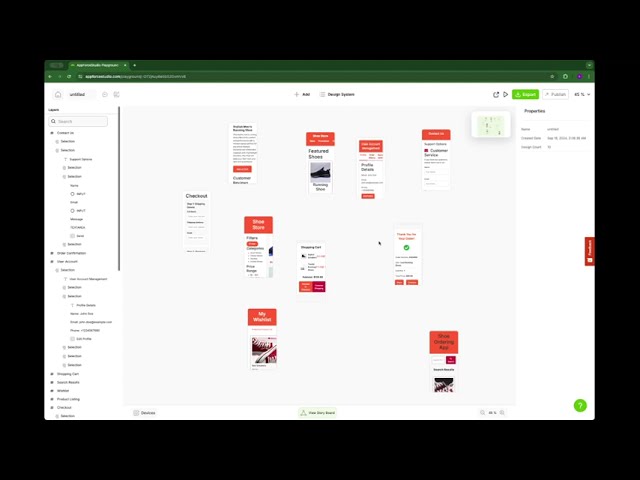
Platforms like AppForceStudio (AFS) are built for this blended future.
- Non-technical users can launch full apps with AI prompts, screenshots, or drag-and-drop tools.
- Developers can paste code, edit logic, and export production-ready projects for iOS, Android, or web.
- Teams can collaborate in real time, prototype instantly, and scale apps without starting from scratch.
AFS doesn’t force you to pick between no-code or code — it’s one studio where both coexist.
The Takeaway
When it comes to no-code vs developers, the truth is simple: no-code isn’t the end of software development. It’s the end of wasting developer talent on problems already solved.
It’s not a threat to coders — it’s an invitation to level up and focus on what really matters: creativity, innovation, and complex engineering challenges.
👉 Start building smarter: Try AppForceStudio free.